Power Quality Improvement in an Industrial Effluent Treatment Plant
The power factor looked fine. The electrical system wasn't.
At an industrial effluent treatment plant, the power factor was already around 0.98 lag.
Yet the plant was experiencing failures of electronic cards and concerns around harmonic distortion across its electrical network.
At the main 22kV HT grid incomer, current harmonic distortion measured 18.9%.
The question was no longer just how to improve power factor.
It was to understand what was happening within the electrical system.
The measurements told a different story.
Clariant Power carried out a detailed power-quality study using a Fluke 435 Harmonic Analyzer.
Measurements were taken at the main 22kV HT grid incomer and major transformer incomers under operating conditions, covering power factor, voltage harmonic distortion, current harmonic distortion, load current and individual harmonic components.
The study showed that the issue varied across the plant.
At the Final Blower Transformer
There was another important part of the picture.
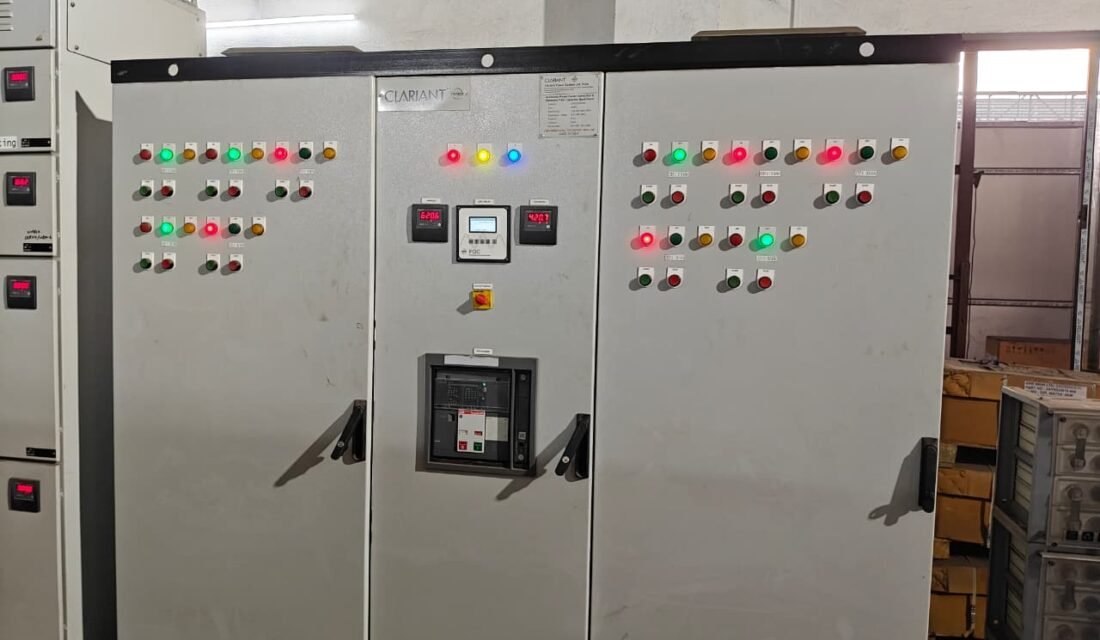
The existing capacitor banks were installed without series reactors. While they were helping improve power factor, their configuration was also creating a low-impedance path for harmonic currents and contributing to harmonic amplification.
The plant therefore needed more than conventional power-factor correction.
The solution had to change with the conditions.
The measurements showed that a single configuration would not address the requirements across the plant.
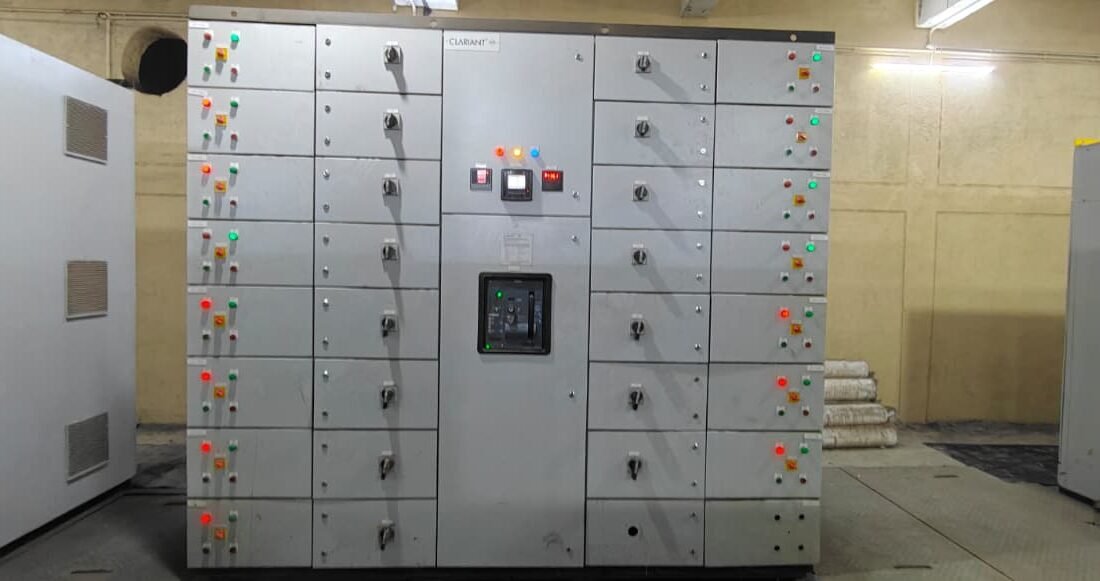
Clariant Power designed the solution around the electrical conditions at each transformer.
Old Blower Transformer
Transformer capacity2 MVA
New Blower Transformer
Transformer capacity2.5 MVA
Final Pump House Transformer
Transformer capacity2 MVA
The configurations were selected based on the conditions identified during the power-quality study.
Then the numbers changed.
Following implementation, Clariant Power conducted another round of harmonic analysis at the main 22kV HT grid incomer.
| Parameter | Before | After |
|---|---|---|
| Power Factor | 0.98 lag | 1.00 |
| Voltage Harmonic Distortion | 2.4% | 1.5% |
| Current Harmonic Distortion | 18.9% | 4.1% |
The overall power factor was subsequently recorded at 0.995 lag, while voltage and current harmonic distortion were brought within the specified limits.
The improvement also reflected in the power factor incentive.
Before implementation, the plant recorded an average monthly power factor of 0.983 lag, with a 1.65% power factor incentive.
Following implementation, the average power factor increased to 0.995 lag, with the incentive increasing to 2.25%.
October 2016
November 2016
Understanding the system changed the solution.
The plant already had power-factor correction.
What it needed was a solution that addressed the actual conditions within its electrical network.
Clariant Power measured the system, identified the harmonic conditions, engineered the required configurations and verified the improvement after implementation.
The Result:
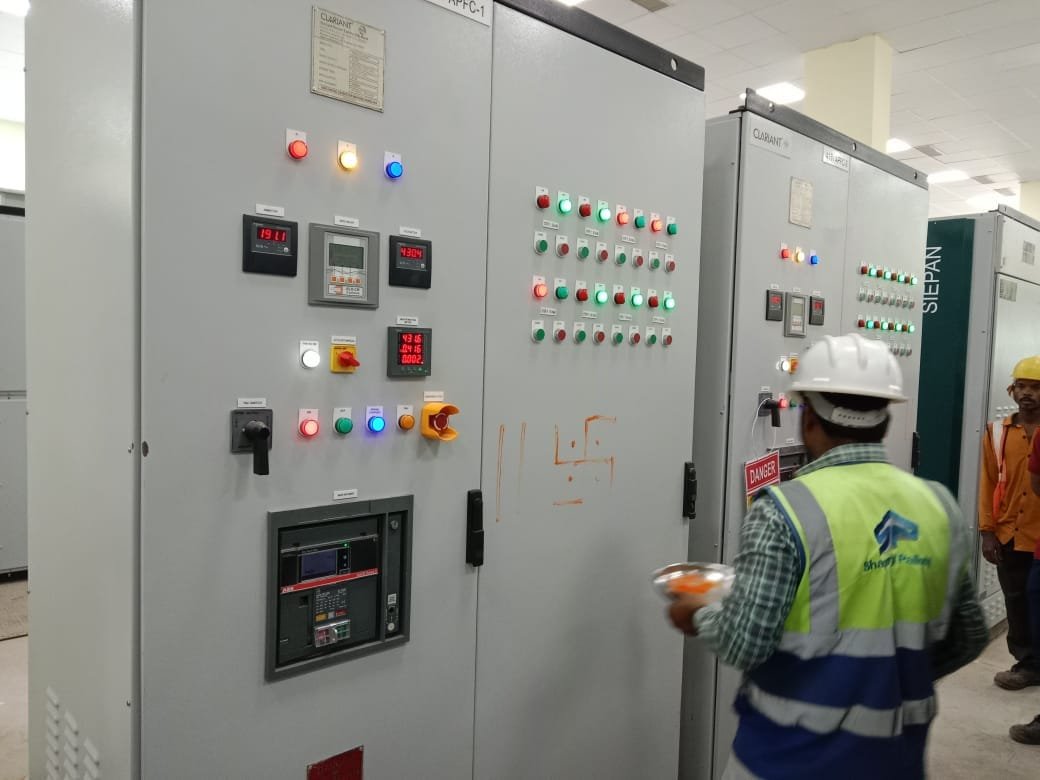
- 01Improved Power Factor.
- 02Reduced Harmonic Distortion
- 03Measurable improvement in overall power quality.
Project Snapshot
Current harmonic distortion at the main grid incomer
Facing power-quality challenges in your plant?
Understand the problem before choosing the solution.
Talk to Clariant Power.
Contact Engineering Team